
Hastings CBD
WestSide
Gijón, Spain. Hastings, New Zealand. 19,000 kilometres apart. A century of different histories between them. And yet... the same instinct. Rebuild from ruin. Write beauty into concrete. Keep finding new ways to make art permanent.
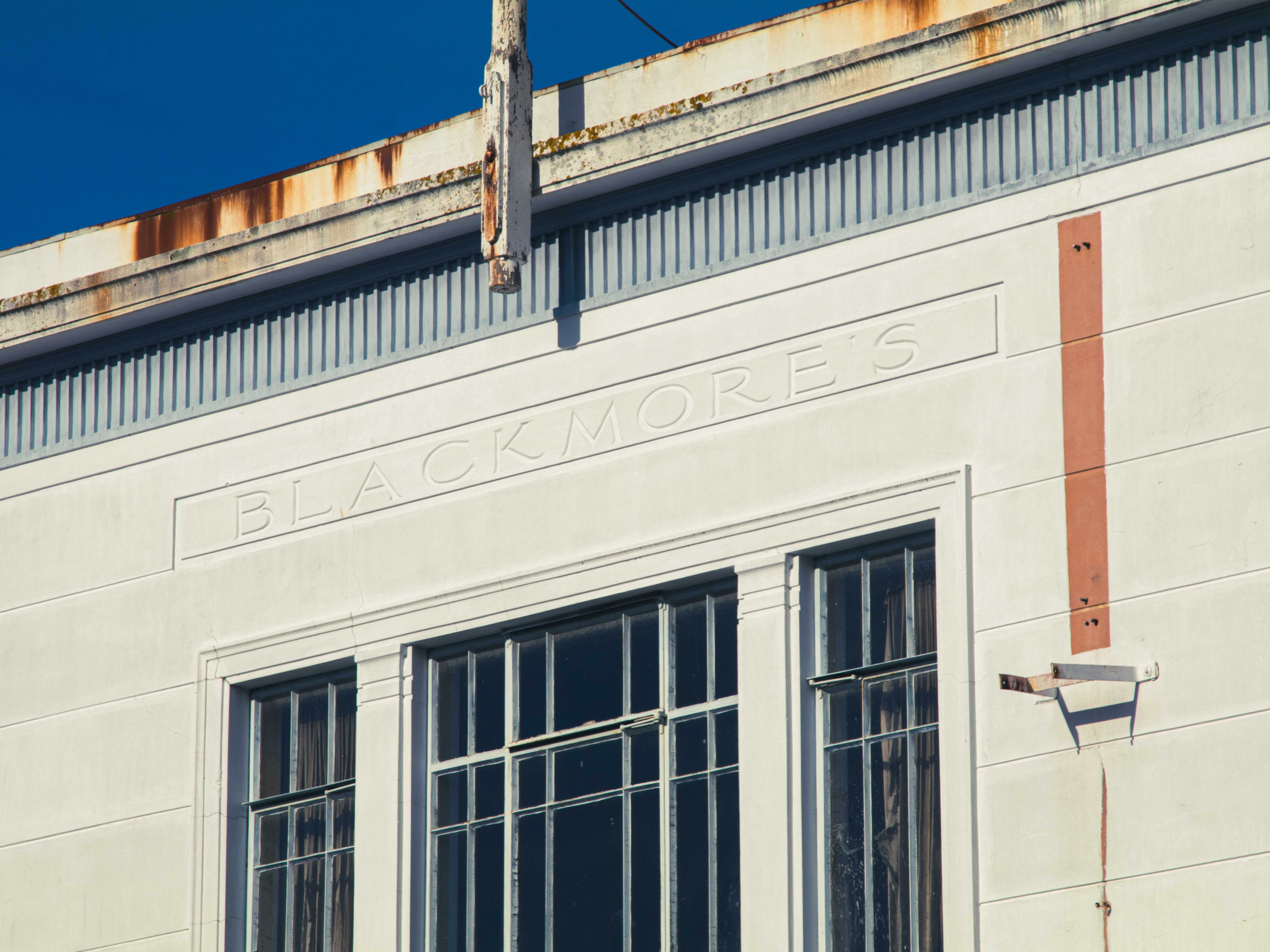 Heretaunga Street West · Hastings · Art Deco facades rebuilt 1931–35
There is a particular kind of architecture that only gets built by cities that have been through something. Not the grand civic stuff... prosperity and ambition produce that easily enough, given money and time. The other kind. The architecture of defiance. The kind where people who have just lost everything write their names into the concrete of the replacement building, because they intend to be permanent this time.
Hastings has it. Gijón has it too. Both cities carry Art Deco in their bones... they had to start over, and they started over in the 1930s, which meant they started over in the language of their time. Geometric. Bold. Optimistic in a way that feels almost reckless given what had just happened.
The details are different. The impulse is the same. And the buildings... they rhyme.
A 7.8 magnitude earthquake destroyed the central city in under two minutes. 258 people died. The main commercial strip... Heretaunga Street West... was rebuilt almost entirely within two years, in Art Deco and Stripped Classical styles that became the city's signature.
Most of Gijón's Art Deco buildings were built in the 1930s, before the Civil War broke out in 1936. When Franco's army bombarded the city, these buildings stood. Around twenty survive today... geometric, defiant, unchanged in outline since the decade they were built.
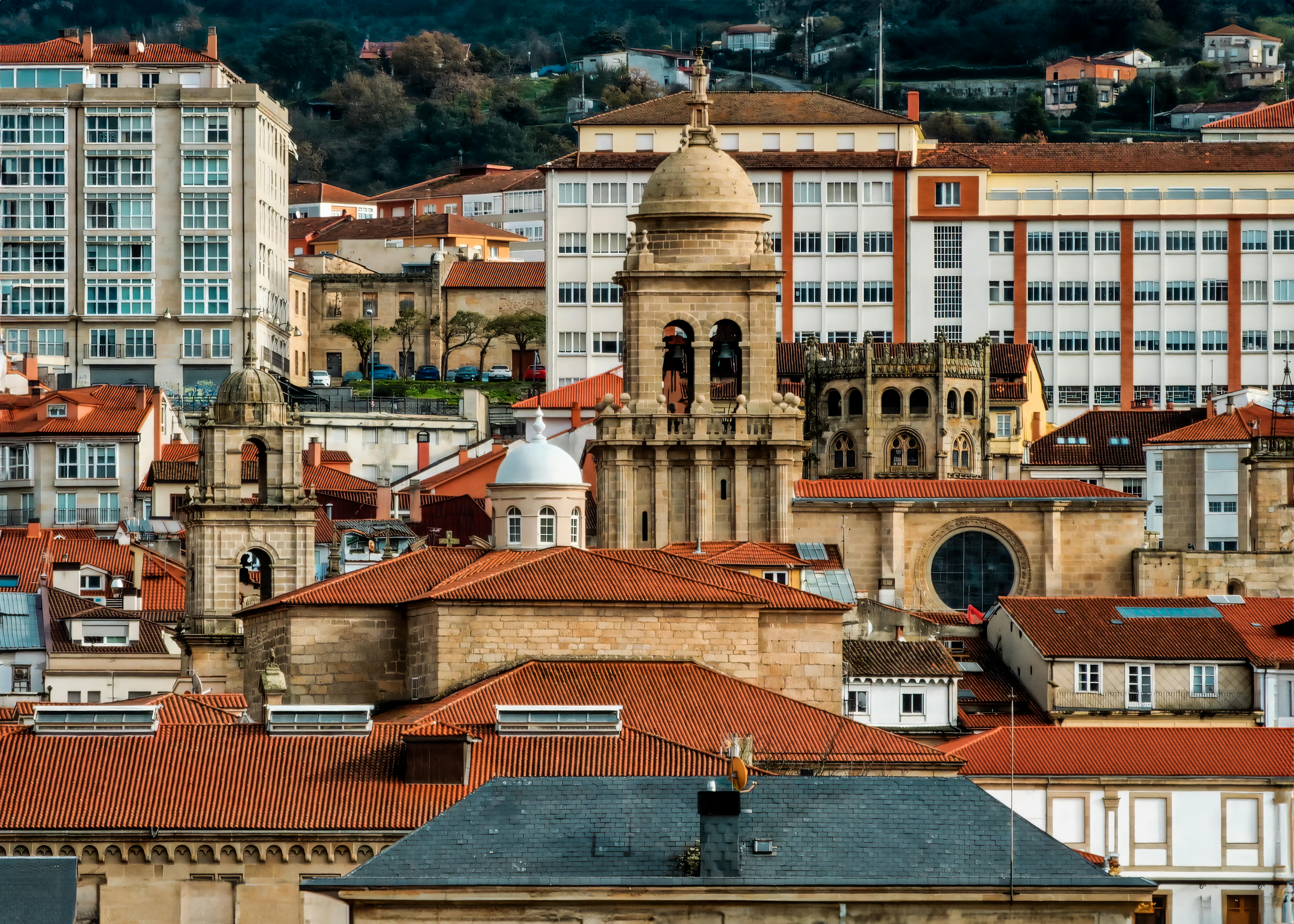 Gijón, Asturias, Spain · Urban fabric · Photo: Manuel Fandiño Cabaleiro · Pexels
The earthquake that levelled Hastings lasted less than two minutes. Dust. Rubble. The commercial heart of the city... gone. What came next was one of the most concentrated architectural rebuilds in New Zealand history. Nearly an entire city centre reconstructed in two years. Local architects working at speed on a blank slate that most cities never get.
The rebuilders of Hastings chose Art Deco. Not unanimously, and not without argument, but consistently. The style suited the moment. Clean lines. No unnecessary ornament. A forward posture. The kind of design language that says... whatever was here before, we are not trying to recreate it. We are building something new.
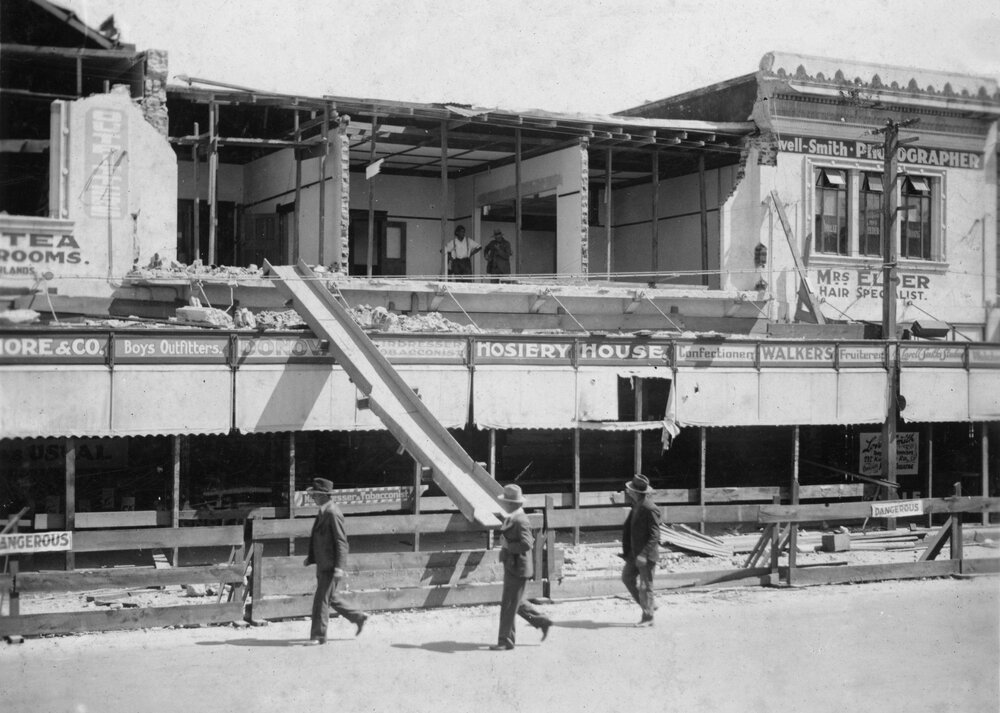 Hastings 1931 · Earthquake damage · Hastings District Libraries · CC BY-NC-ND 4.0
Gijón's story is different... and worth getting right. The Art Deco buildings weren't built after the Civil War. They were built before it, in the same decade Hastings was rebuilding from rubble. The transformation of Gijón's architecture in the 1930s was driven by ambition, not necessity. Geometric. Avant-garde. A city choosing a new visual language before anyone forced the choice. When Franco's army bombarded Gijón in 1936–37, those buildings stood. Around twenty remain today. Zigzag patterns, stepped cornices, fluted bands, decorative reliefs... exactly as their architects left them.
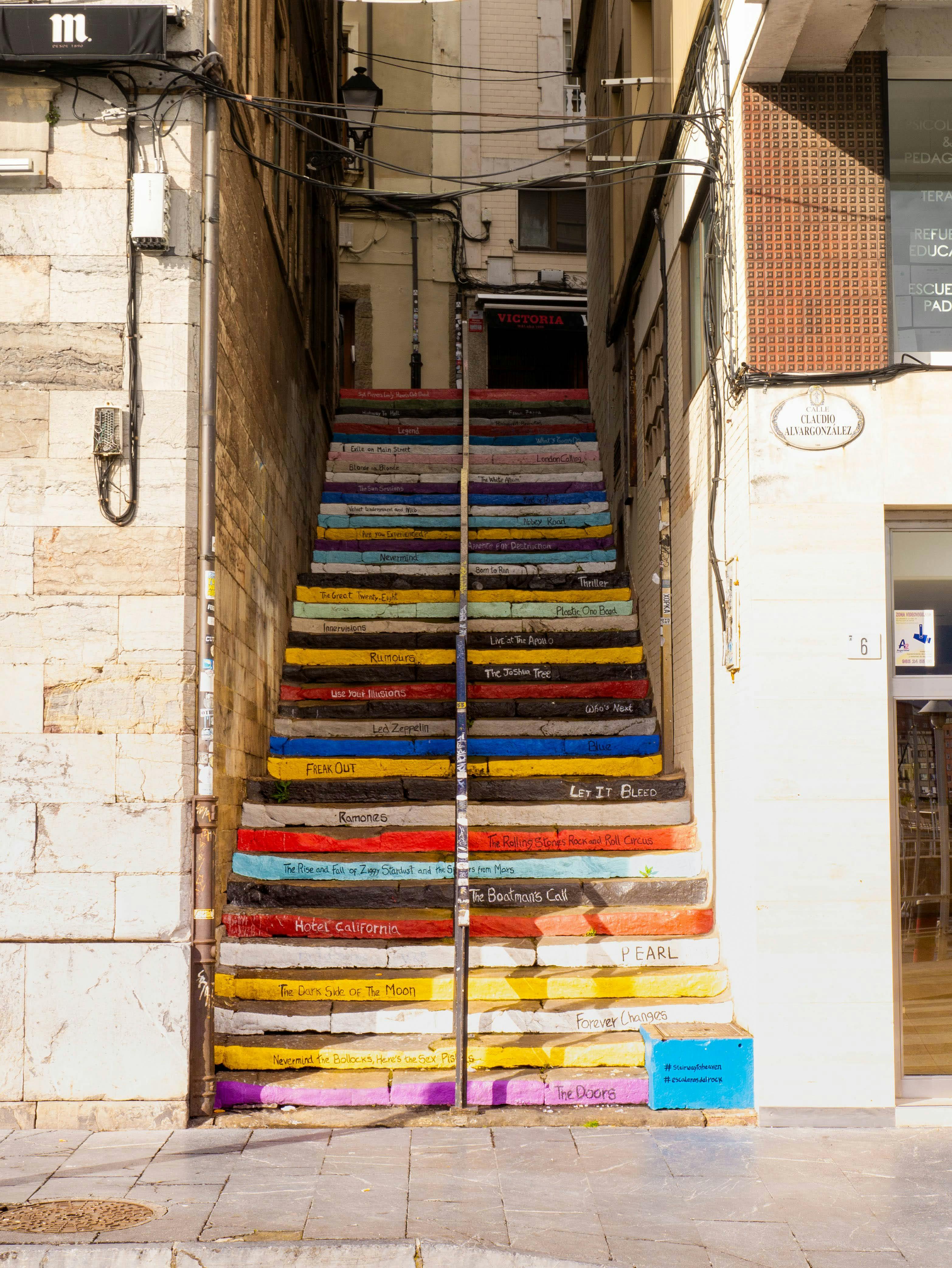 Gijón · Street life · Photo: Marcelo David Villalba Ferreira · Pexels
Around twenty notable Art Deco buildings survive in Gijón today. The most remarkable examples: Libertad 22 (1934), Menéndez Valdés 1–3–5 (1935), Cabrales 62 (1935), Calle Corrida 8 (façade facing Corrida), and Menéndez Valdés 29 (1940). Each carries the signature vocabulary... simple geometric zigzag patterns, stepped cornices, fluted bands, parapets, and decorative reliefs. None needed rebuilding after the war. They were already there.
Both cities ended up with something they hadn't planned for. A coherent visual identity, baked into the streetscape at speed, that outlasted every economic cycle and fashion shift since. The buildings became the brand... before anyone called it that.
To understand what Gijón has built and kept, it helps to walk three specific addresses. Each one is a different era, a different architect, a different ambition... but together they form the visual argument that Gijón has been making about itself for over a hundred years.
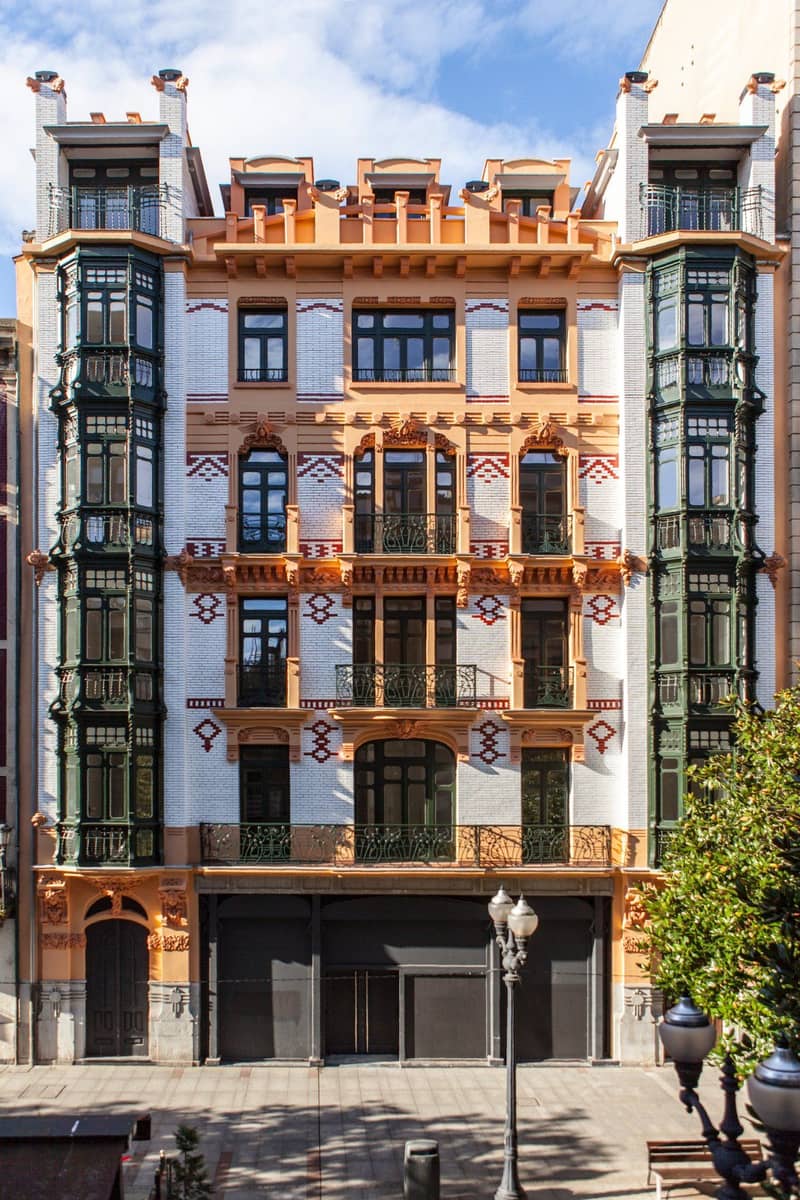 Calle Corrida, 8 · Built 1905 · Architect Miguel García de la Cruz · Gijón
Architect Miguel García de la Cruz, commissioned by Milagros Sanz Crespo. A building that blends French Art Nouveau and Italian Liberty... the open central bay reveals its metal supports, influenced by Franco-Belgian architecture, flanked by two finely detailed entrances. The upper floors combined glazed white brick with natural-coloured pieces to form decorative patterns, with dense sculptural ornamentation: female faces, animals, vegetation. Vertically extended in 1931... the same year Hastings was rebuilding from its earthquake... and later altered at ground level, though current restoration work is bringing the original design back.
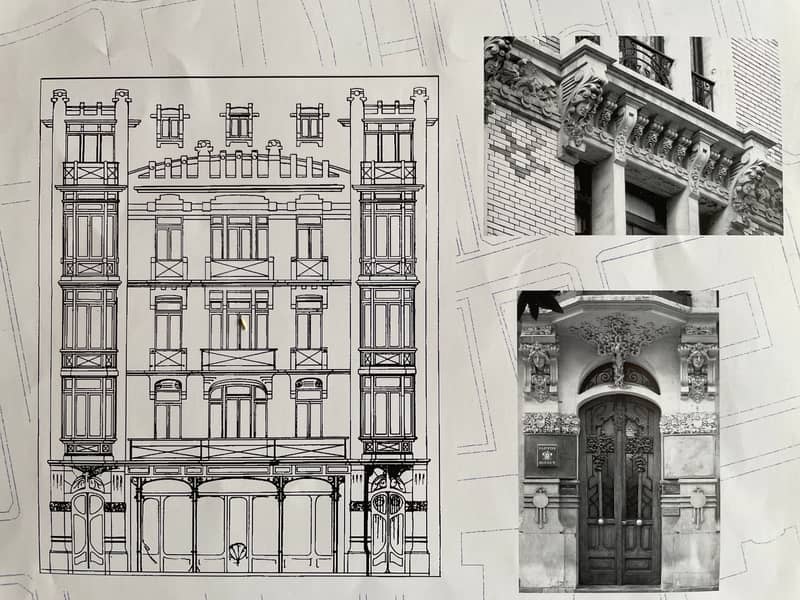 Calle Corrida · Detail · Gijón, Asturias
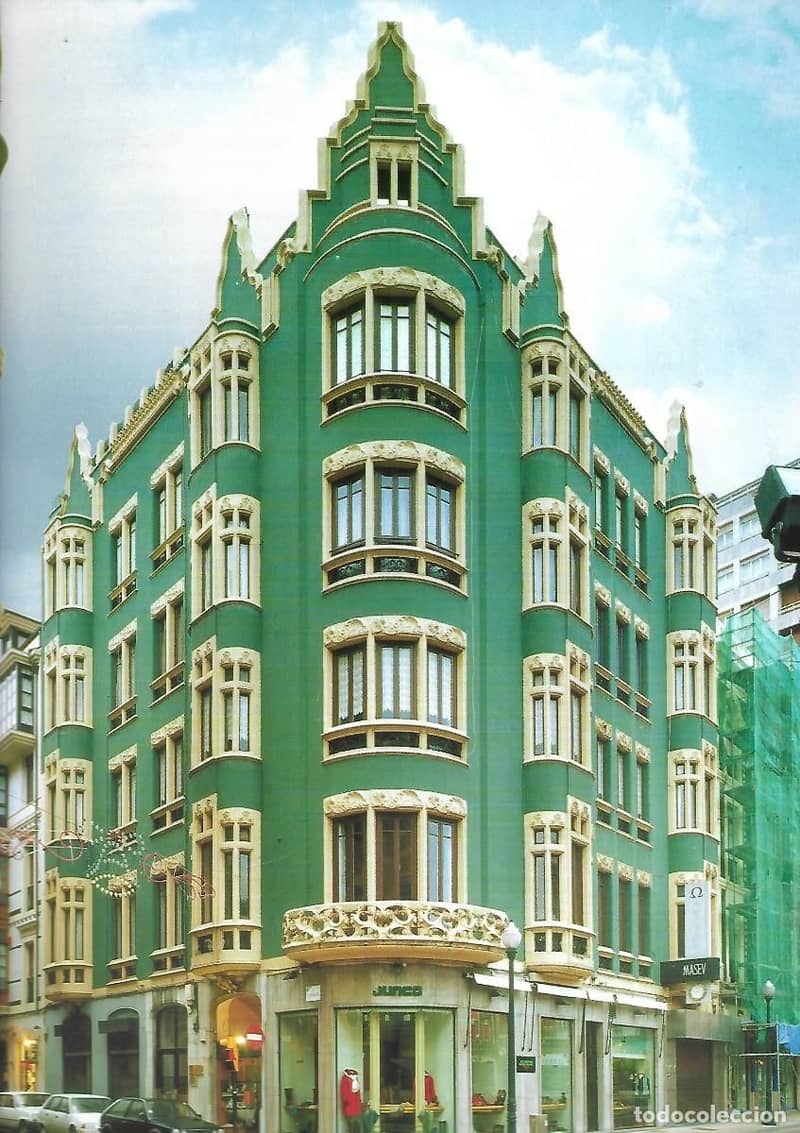 Calle Merced, corner Jovellanos · Built 1902 · Gijón
Project by Master Builder José Graner y Prat, drafted in Barcelona... attributed by some sources to Francesc Berenguer, who did not sign it due to not being officially qualified. The first residential building in Gijón with a clearly modern structural system... a metal framework with brick vaulting, technically advanced and highly fire-resistant, with a flat roof terrace. Externally it carries the aesthetic of Catalan Modernisme... revivalist Gothic verticality, a silhouette sharpened at every edge, and clear influences from Gaudí in the pinnacles and the exceptional first-floor balcony enclosure. Much of the original decorative sgraffito has been lost. The building remains a landmark.
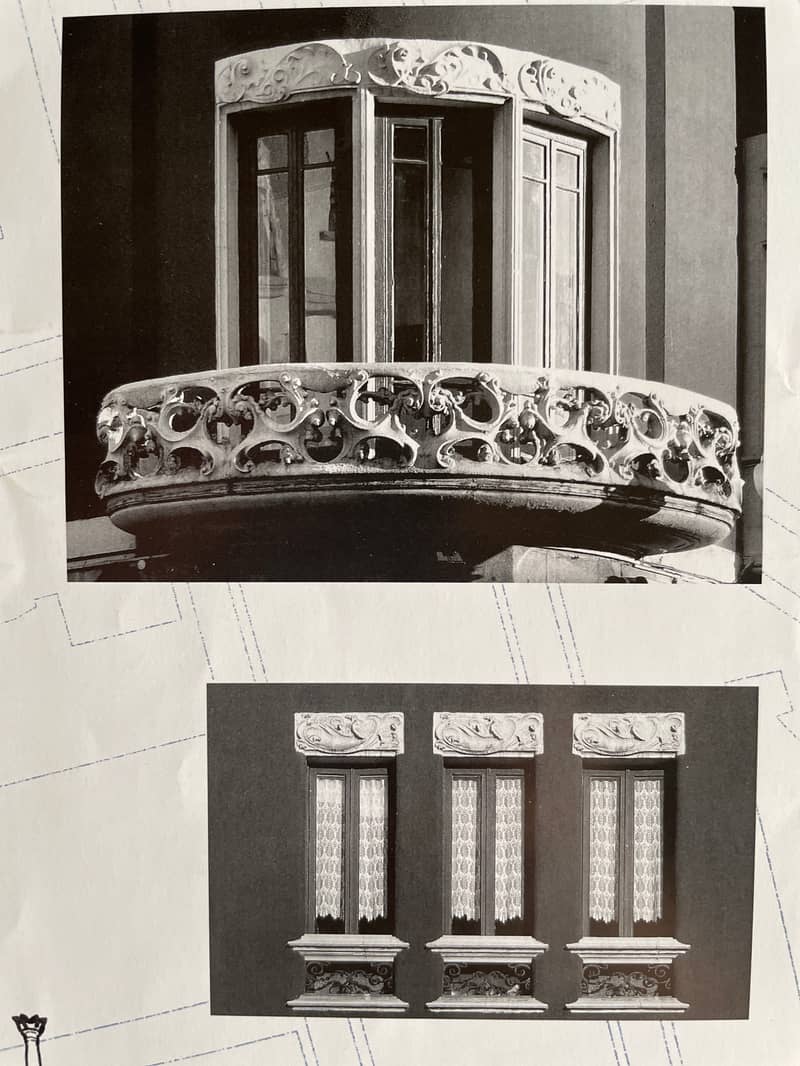 Calle Merced · Detail · Gijón, Asturias
"The Rock stairs reminds me of all the times our whole group would stumble down those stairs drunk after a night out in the city's old quarter."
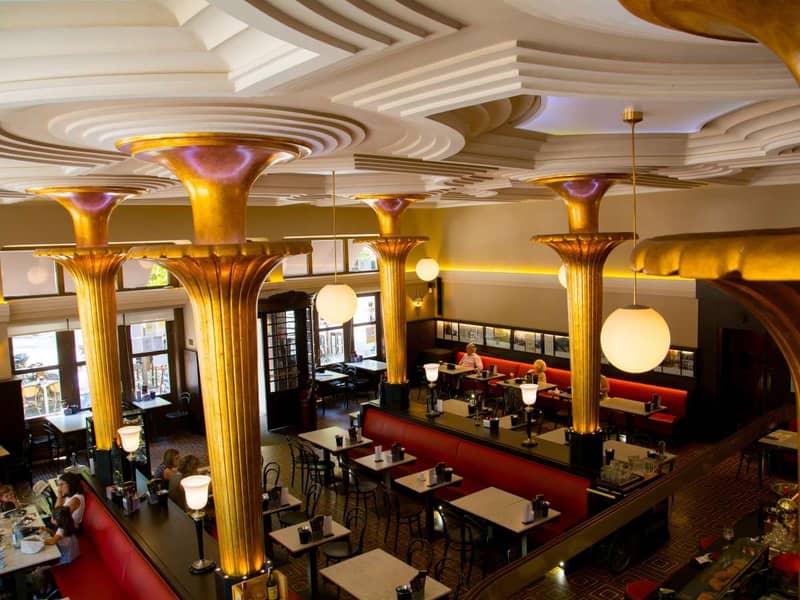 Café Dindurra · Est. 1901 · Paseo de Begoña · Gijón
The oldest café in Gijón. Founded in 1901 by Manuel Sánchez Dindurra alongside the Teatro Dindurra next door... the café originally served as the theatre's lobby. The building dates from 1899, designed by Mariano Marín Magallón, on Paseo de Begoña at the corner of Calle Covadonga. In the 1930s or 1940s, architect Manuel del Busto renovated the interior, adding the Art Deco columns and ceilings that still define the space today. Hydraulic mosaic tile floors. Still operating. Over 120 years on the same corner... longer than Hastings has been a city.
On Heretaunga Street West, the people who rebuilt Hastings wrote their names directly into the plasterwork of the upper facades. Above the verandah line. Above eye level. Above the reach of any shopfitter who came after. Eleven confirmed ghost letters still up there... BLACKMORE'S, COMMERCE BUILDINGS, WADE BUILDING, F KING LTD, KING'S BUILDINGS... readable above businesses that have no idea what they're standing in.
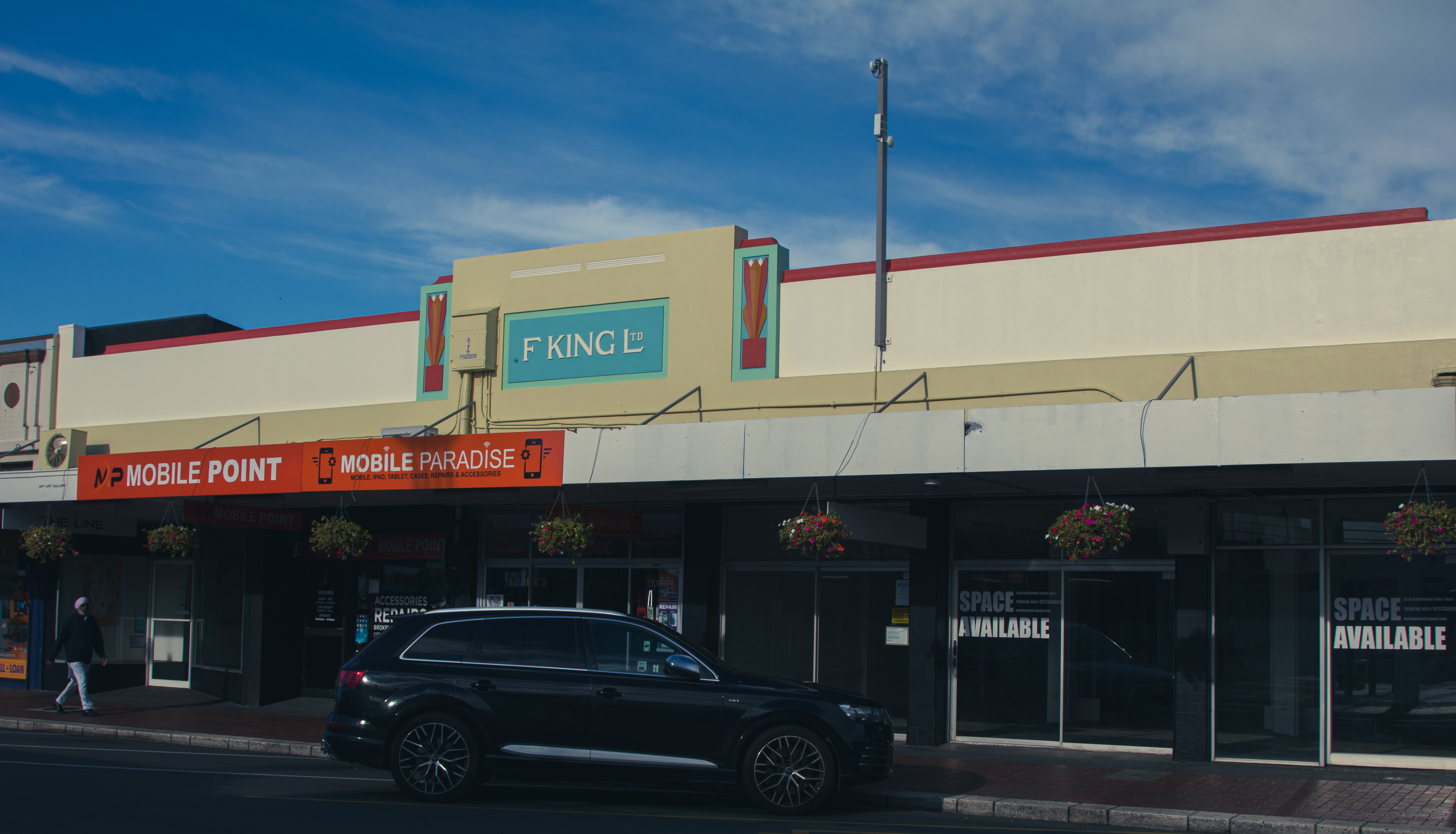 F King Ltd · 314–318 Heretaunga Street West · Built 1932 · Now home to The Line gallery
Eleven names cast into the plasterwork of Heretaunga Street West after the 1931 earthquake rebuild. Blackmore's. Commerce Buildings. Wade Building. F King Ltd. King's Buildings. A F Redgrave. ESTAB. 1878. All still readable above the current tenants. The buildings remember what the street has forgotten. Read the full ghost letters story →
Gijón's equivalent lives in its facades too. The Zigzag Moderne relief panels on Calle Asturias 4. The plaster ornamentation of Café Dindurra. The streamline curves of Calle Corrida and Casimiro Velasco. Buildings that announce themselves through their architecture alone... saying, in the visual language of the 1930s, that this city intends to remain.
In both cities the Art Deco rebuild was not just a physical act. It was a cultural statement made in a material that lasts. Concrete and plaster don't forget what they were shaped to say.
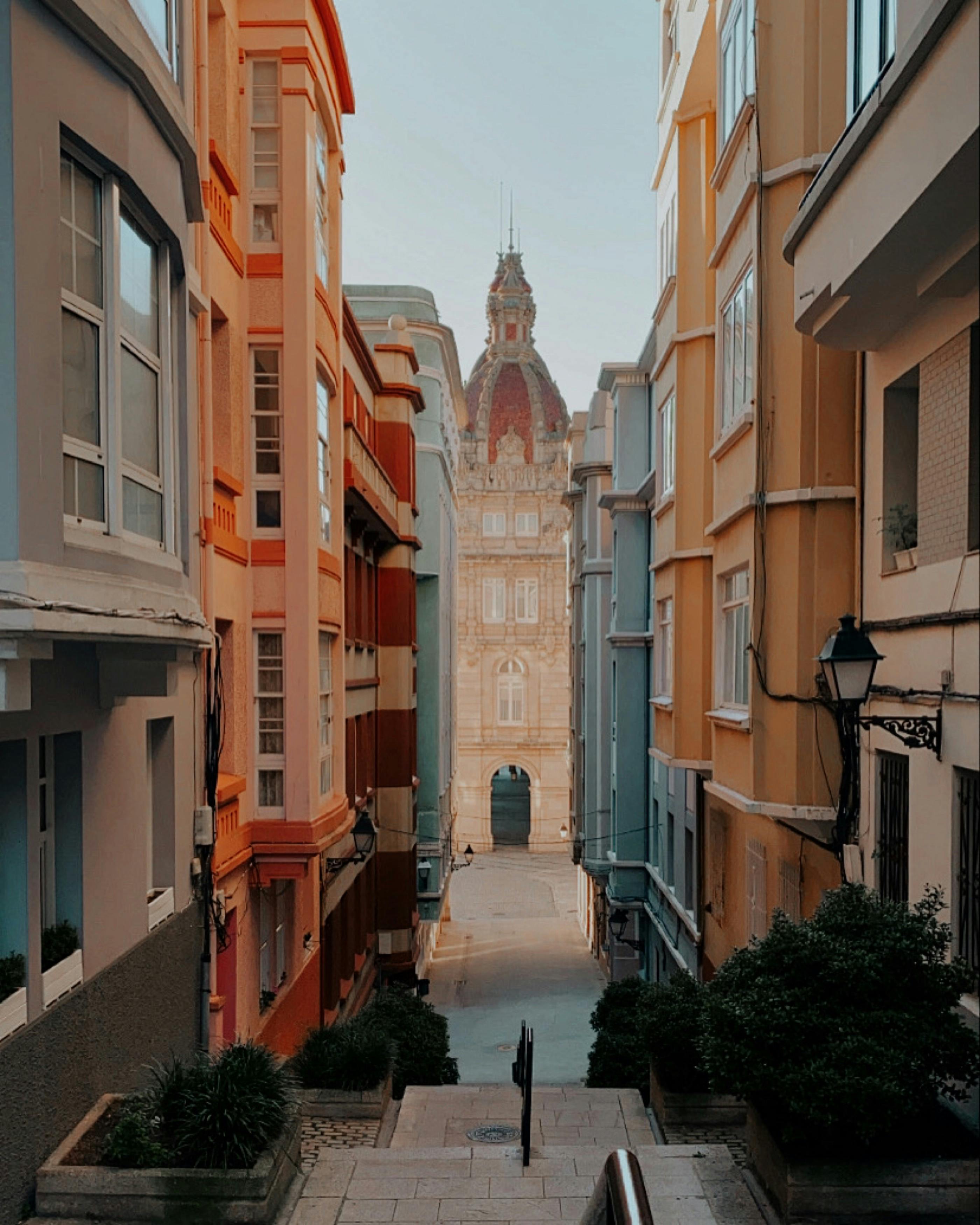 Gijón · Street architecture · Photo: Loredana · Pexels
"The buildings became the brand before anyone called it that. Concrete and plaster don't forget what they were shaped to say."
Here's where the story moves forward rather than backward. The two people who found each other across 19,000 kilometres and a shared visual sensibility are not archivists. They are artists working at the edge of what it means to make something permanent in 2026.
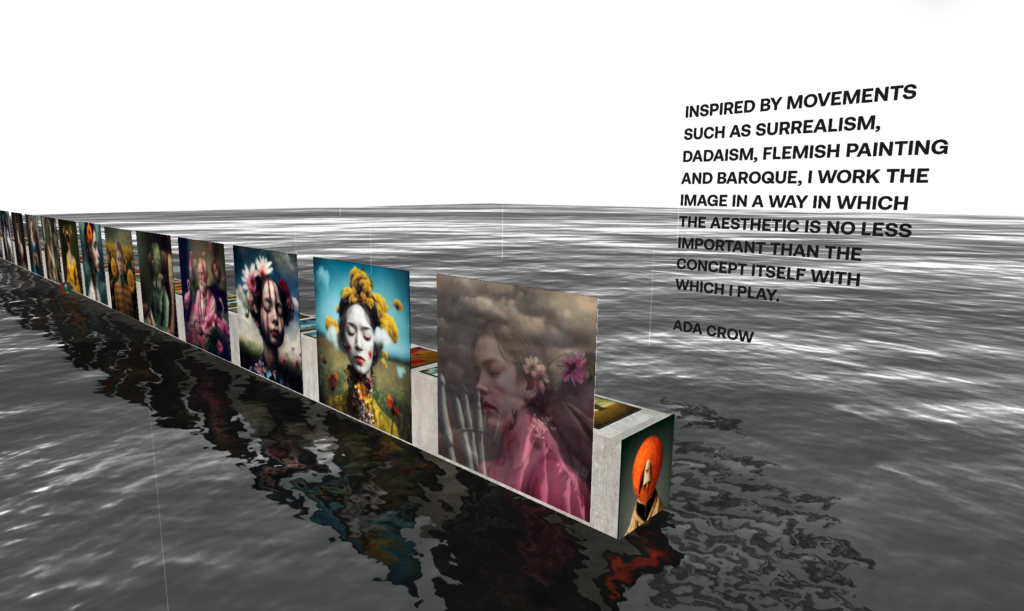
Art historian and multidisciplinary artist. Creator of The Motion Bestiary. Her work moves between historical and contemporary contexts... engaging with the deep past of a city's visual culture while producing art that points decisively forward.
View on The Line →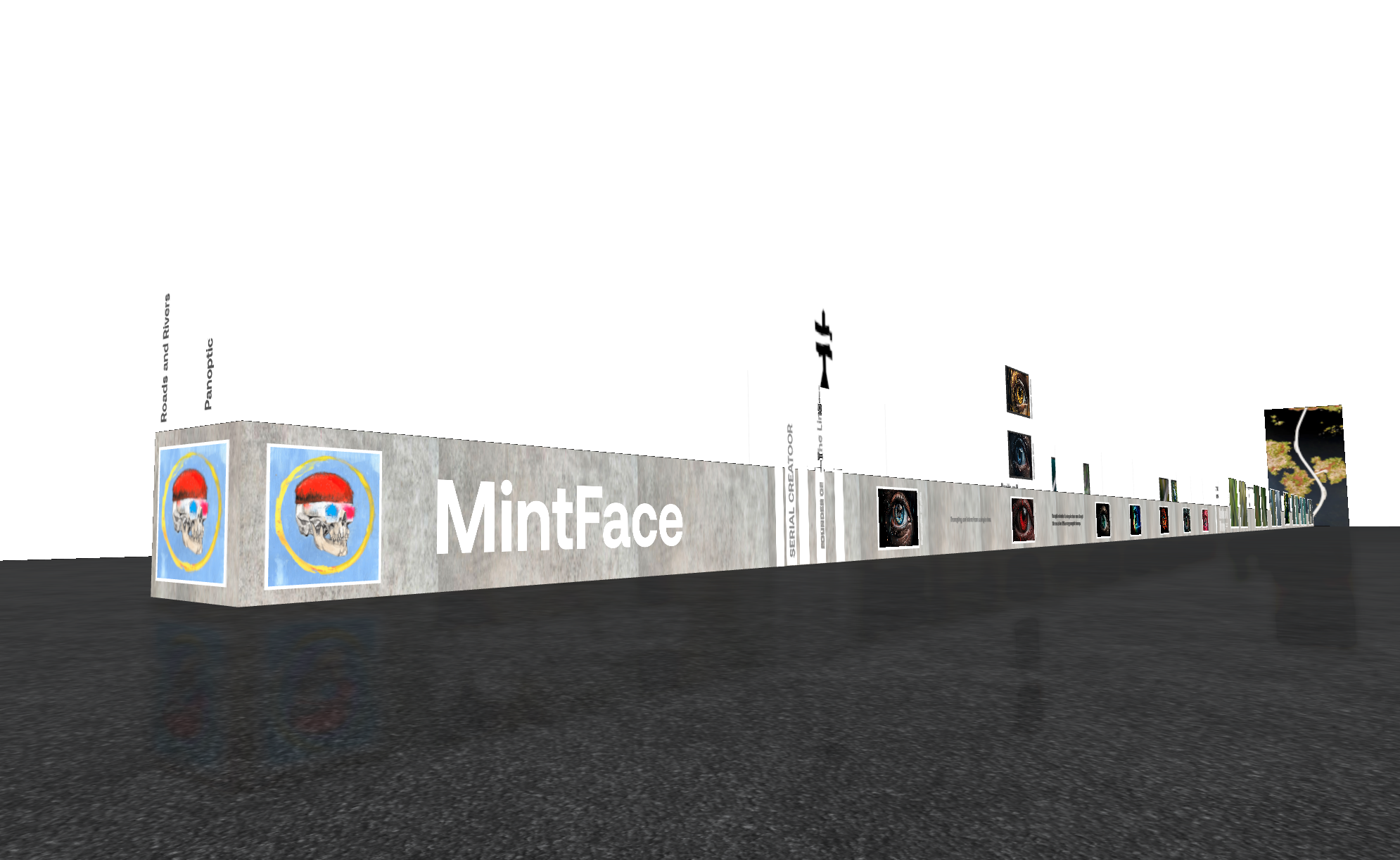
Cryptoartist and founder of The Line. Grief, fatherhood, and the arrival of the blockchain as a new kind of permanence are central themes. Connection... between people, cities, histories... is both subject and method. 409 artworks on-chain.
View on The Line →What Ada Crow does in Gijón and what MintFace does in Hastings are not the same thing. But they share something important... both make work that is deeply aware of the cities they inhabit. The history. The buildings. The texture of streets that have survived things. And both have chosen to work in forms that are native to this moment... digital, on-chain, permanently recorded... in the same way that the Art Deco builders of the 1930s chose the forms that were native to theirs.
The Motion Bestiary moves through historical and contemporary art contexts. MintFace's work carries grief and fatherhood and place into the blockchain. Neither is nostalgic. Both are making something that will outlast the medium in the same way a plaster frieze outlasts the business that commissioned it.
The Line is a global digital art archive with a fixed limit of 1,000 permanent positions on-chain. 899 filled. Ada Crow holds position 18 from Gijón. MintFace holds positions 0, 106, 681, 686 and 751 from Hastings. The Southern Node of the entire network is at 318 Heretaunga Street West... the F King Ltd building, built 1932, Art Deco facade, ghost letter still in the plasterwork above the door. theline.wtf →
Sister city relationships are usually civic affairs. Mayors signing documents. Delegations exchanging gifts. Formal gestures between institutions. This one started differently... two artists on opposite sides of the world who recognised something in each other's city before they recognised it consciously in each other's work.
The agreement between Gijón and Hastings is currently a draft. Not yet in the hands of city officials. Not yet formalised. That is deliberate... it needs to be worked through with civic stakeholders in both cities, and that takes time. But the draft exists, and it has been co-signed, and it carries a specific claim: that the shared history of Art Deco rebuilding, and the shared future of tokenised art culture through The Line, creates a genuine and substantive basis for a sister city relationship that goes beyond the ceremonial.
"Rooted in a shared history of Art Deco architecture... and thrust forward into the future through a burgeoning tokenised art culture. Led by artists Ada Crow from Gijón, Spain, and MintFace from Hastings, New Zealand... both members of The Line."
The Line has already done this quietly. Artists in 82 countries, holding positions on a single permanent structure, with a physical anchor in Hastings. The network already connects cities that have never formally acknowledged the connection. The sister city pledge between Gijón and Hastings moves one of those connections a step closer to something official... a gallery relationship, a cultural exchange, a recognition by two cities that they share something worth naming.
What makes this particular connection interesting is the depth of the parallel. Most sister city relationships are founded on geography... coastal cities paired with coastal cities, industrial towns with industrial towns. This one is founded on a specific architectural moment, a specific response to catastrophe, and a specific agreement that the way forward runs through art rather than around it.
In Hastings, the Art Deco facades are the subject of active restoration work. The Council Façade Enhancement Scheme exists precisely because the rebuilders of 1931 created something worth keeping. The argument isn't preservation for its own sake... the buildings are better than what would replace them, and that the visual coherence of a rebuilt Art Deco street is an asset that most cities would spend decades trying to create.
The Landmarks Trust Façade Enhancement Award has been won on WestSide. The Kelly McNeil Building at 113 Queen Street... restored by Alan Passchier... took the 2021 award. The Council scheme continues to fund the restoration of Art Deco facades across the strip. Read the full facade restoration story →
In Gijón, the equivalent work is underway too. Hotel El Môderne... a 1931 Art Deco building on the waterfront... has been painstakingly restored and reopened as a boutique hotel that its manager describes as emblematic of the city's regeneration. The Café Dindurra, remodelled in Art Deco in 1931, is still operating. The Zigzag Moderne building at Calle Asturias 4 is catalogued and protected. The city knows what it has.
Both cities are in the middle of the same slow argument... that the buildings the earthquake and the war forced them to build quickly, in a hurry, under duress, turned out to be the most interesting things they ever made. And that the right response to that is not to be precious about it, but to keep using those buildings for the most forward-looking things the city can think of.
Which is how you get a global digital art archive in a 1932 cycle shop on a street full of ghost letters. And how you get an art historian in Gijón making futurist work inside a city whose whole centre was rebuilt before she was born.
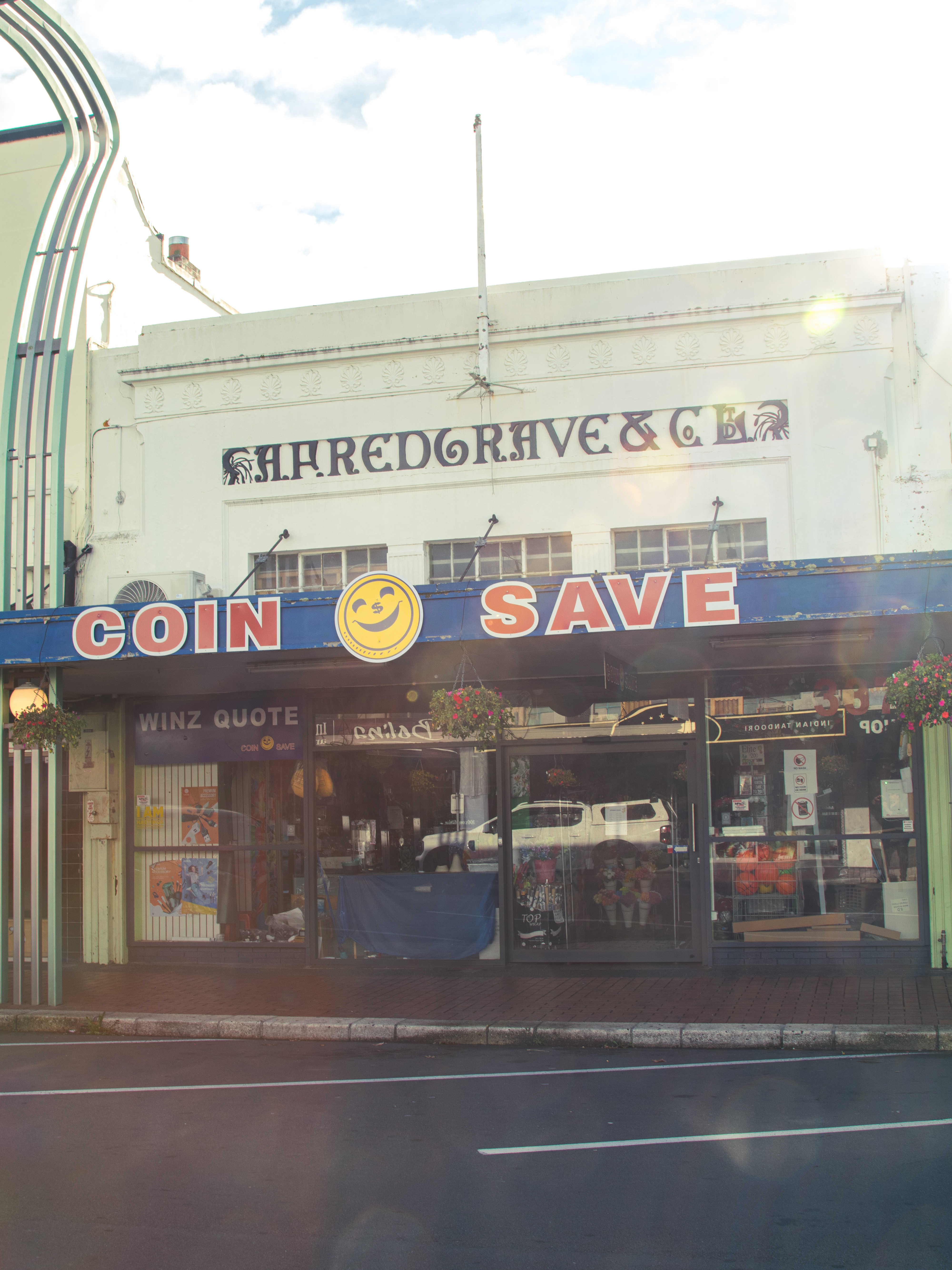 A F Redgrave & Co. Ltd. · Art Nouveau lettering · 1924 · Still above Coin Save today
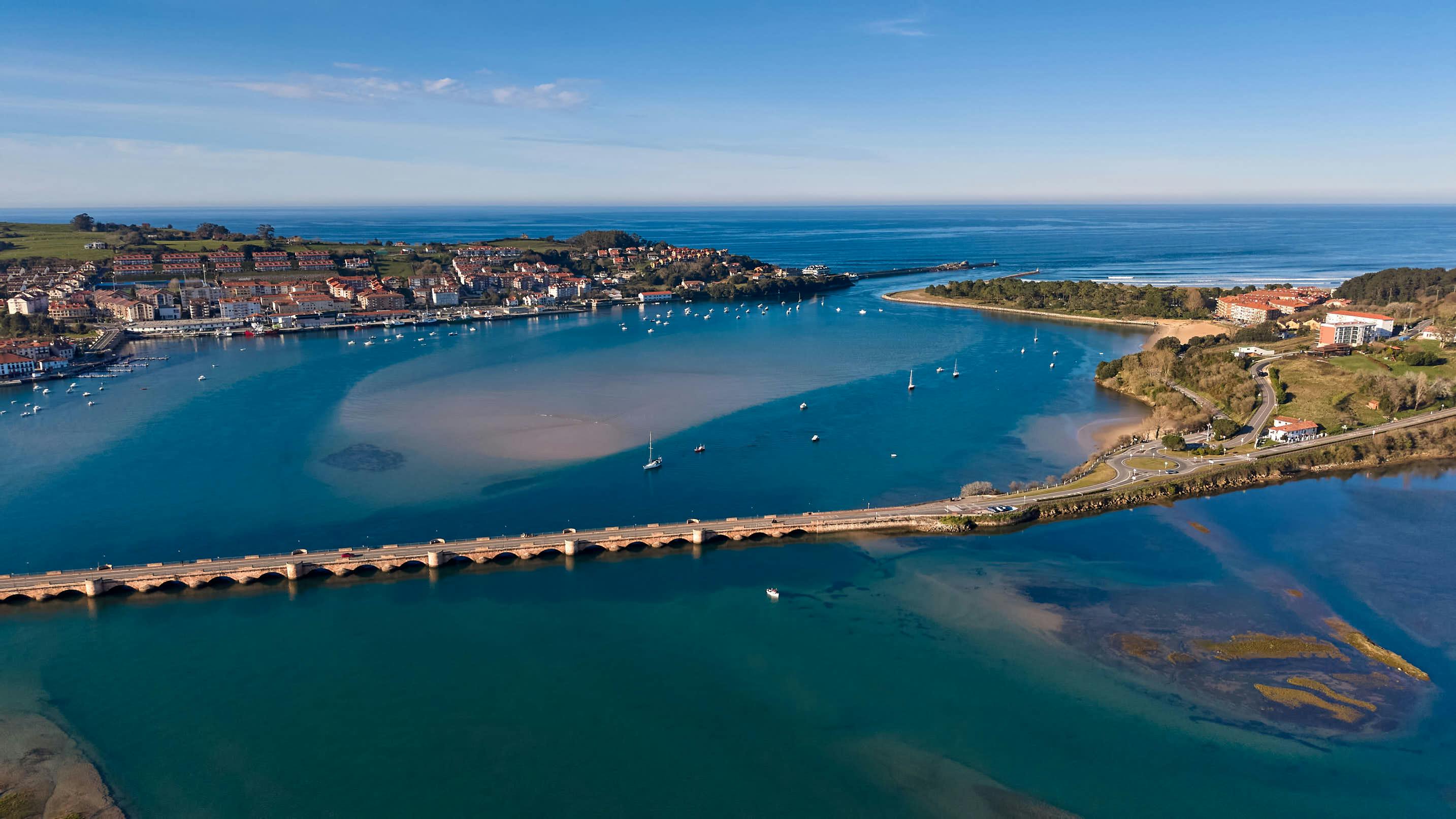 Gijón coast · Cantabrian Sea · Asturias, Spain · Photo: Mike Art Visual Creator · Pexels
The draft agreement between Gijón and Hastings will need civic engagement in both cities to move toward formalisation. That is the work ahead... conversations with city officials, cultural institutions, and the wider communities on both sides. The artists have signed it. The cities haven't yet.
What the draft represents right now is a claim about what sister city relationships could be. Not just geography and trade delegations. A genuine cultural argument... that two cities share a specific history, a specific visual inheritance, and a specific vision of how art moves through the world in the 2020s. That The Line is already the connective tissue. That future galleries in Gijón and Hastings could anchor the relationship in physical space the way The Line's Southern Node anchors it digitally.
The buildings in both cities were built by people who had just lost everything... and chose to build something beautiful anyway. That instinct didn't disappear. It found new forms. Tokenised. On-chain. Permanent in a different kind of way. The concrete is still there. So is the impulse that poured it.
"The buildings were built by people who had just lost everything and chose to build something beautiful anyway. That instinct didn't disappear. It just found new forms."
The Line: theline.wtf · Ada Crow: The Line 18 · MintFace: The Line 0 · WestSide ghost letters: The Street That Remembers · Facade restoration: Wake the Walls Up