Hastings CBD
WestSide
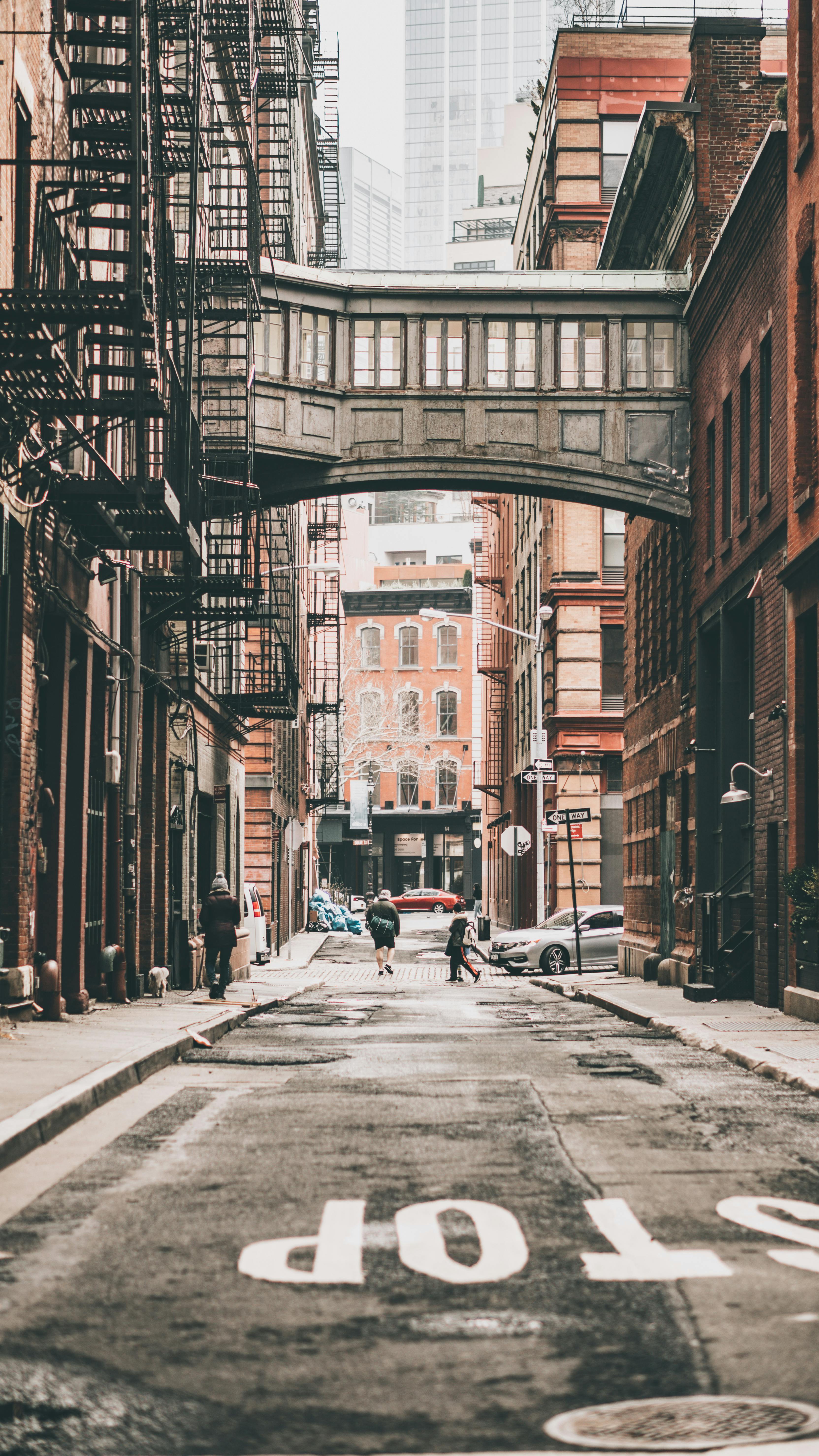
SoHo. Notting Hill. Shoreditch. Clapham. Ponsonby. These were all once postcodes on the post-industrial scrap heap. Places that had served their purpose... left without a next chapter... and then the artists move in. Artists arrive first because the rent is cheap. Then the immigrants set up shop because the risk is low. The energy rises... and the development of the city follows the energy. Then the rent rises, and the artists can't afford to stay. WestSide is at the very beginning of this arc.
Eight stages to the rise and fall of urban development. Never varies. The details change city to city, decade to decade. The sequence does not.
Every city in this article ran the full circuit. Ponsonby took thirty years. Bethnal Green took ten. The arc held every time. What changed outcomes wasn't the pattern... it was whether the people already there recognised it early enough to do something about it.
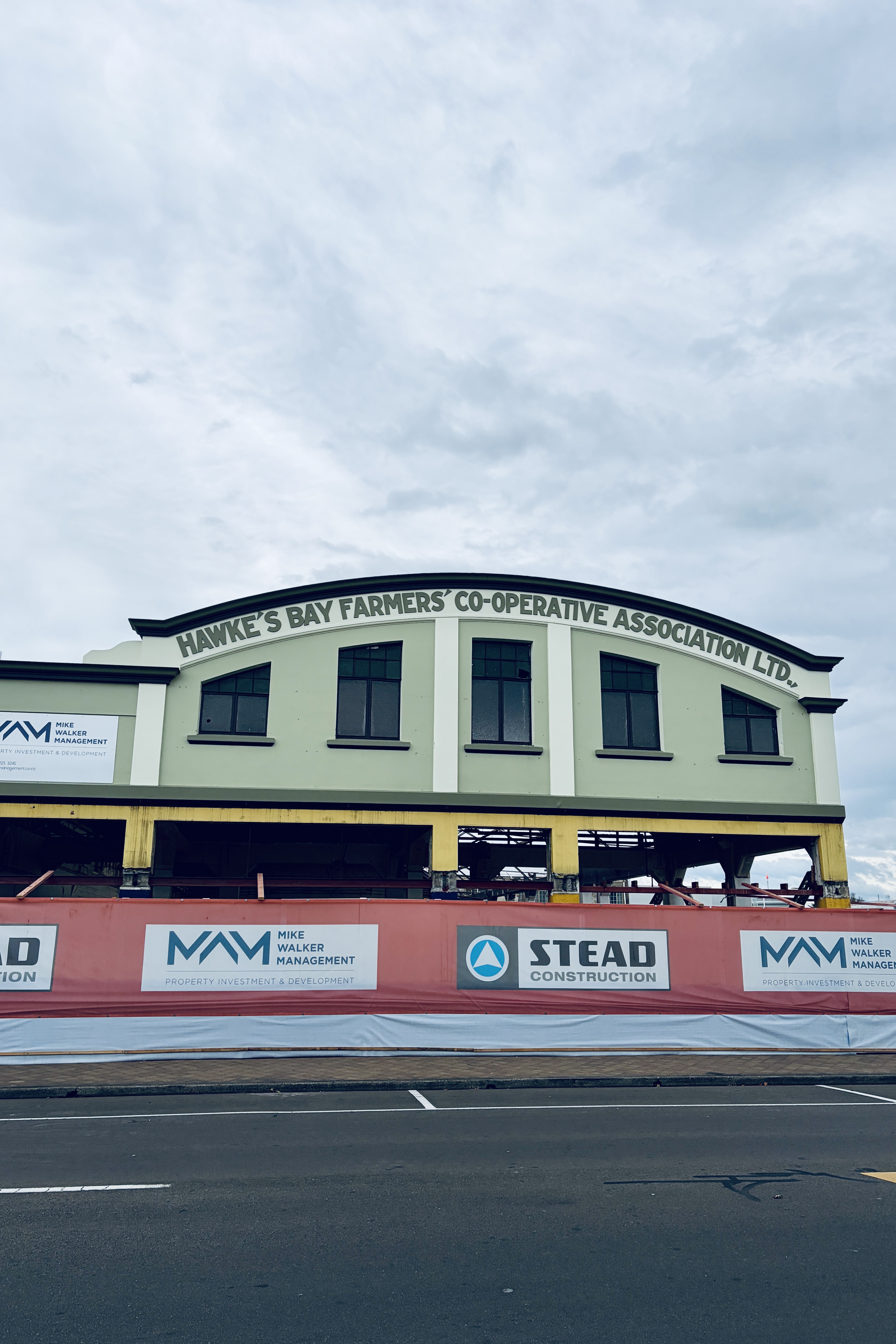
WestSide is somewhere between Stage 2 and Stage 3. The Line landed in May 2025. WAMJam music sessions are coming up in the 300 West laneway starting May 2026. Townhouses are arriving row by row at 200 West and historic buildings and the ghost letters on their facades are being recognised and refreshed. The energy is real and the sunrise of a new west is becoming visible. Stage 4 is close.
Every city in this article had a Stage 1. Hawke's Bay is still in one. The Whakatu Freezing Works closed in the 1980s... the region's biggest employer, woke up one day in 1986 and people gave up on the city for a generation. It took fifteen years and the invention of a wine district to cover it. Blue collar workers struggled through every one of those years. A lot of them never got the certainty back. That crisis never fully closed... and with each new crisis a new reliance on central government investment. Large scale infrastructure builds are filling the coffers of road building companies thanks to new bridges being built. The heavy duty workers of Hastings are safe paying their mortgages for another year. And yet... McCain is closing its Omahu Road plant by January 2027... 50,000 tonnes of vegetables a year, gone. How many jobs? Enough to matter to the WestSide banks of ANZ, ASB, Westpac, SBS and BNZ. Heinz Wattie's is proposing to cease its frozen lines in Hastings... dozens of roles. Two of the region's largest food processing employers in the same year. While the occupancy signals on WestSide are real, so is this. You can't tell an honest story about Hastings in 2026 without acknowledging that it's not all party hats and sausage rolls.
They weren't just after cheap space. They were after space big enough to make the work. Donald Judd bought his loft at 101 Spring Street in the late 1960s. He fought the expressway. Organised. Won. The motorway that would have deleted SoHo from the map never got built.
By 1971 the city had created an official artists' district. Within a decade the lofts were legal, the neighbourhood was on the property ladder, and the transformation was locked in. Judd's loft is now a public museum. The cast-iron buildings he lived among sell for tens of millions. SoHo is the case study every developer quotes when they need a story about art saving a neighbourhood. What they leave out is what happened to the artists.
The artists saved SoHo from being demolished. Without the colony that moved into Hell's Hundred Acres, the Lower Manhattan Expressway goes through and SoHo doesn't exist. They were the reason the buildings survived. The buildings are now the wealth. The artists are mostly gone.
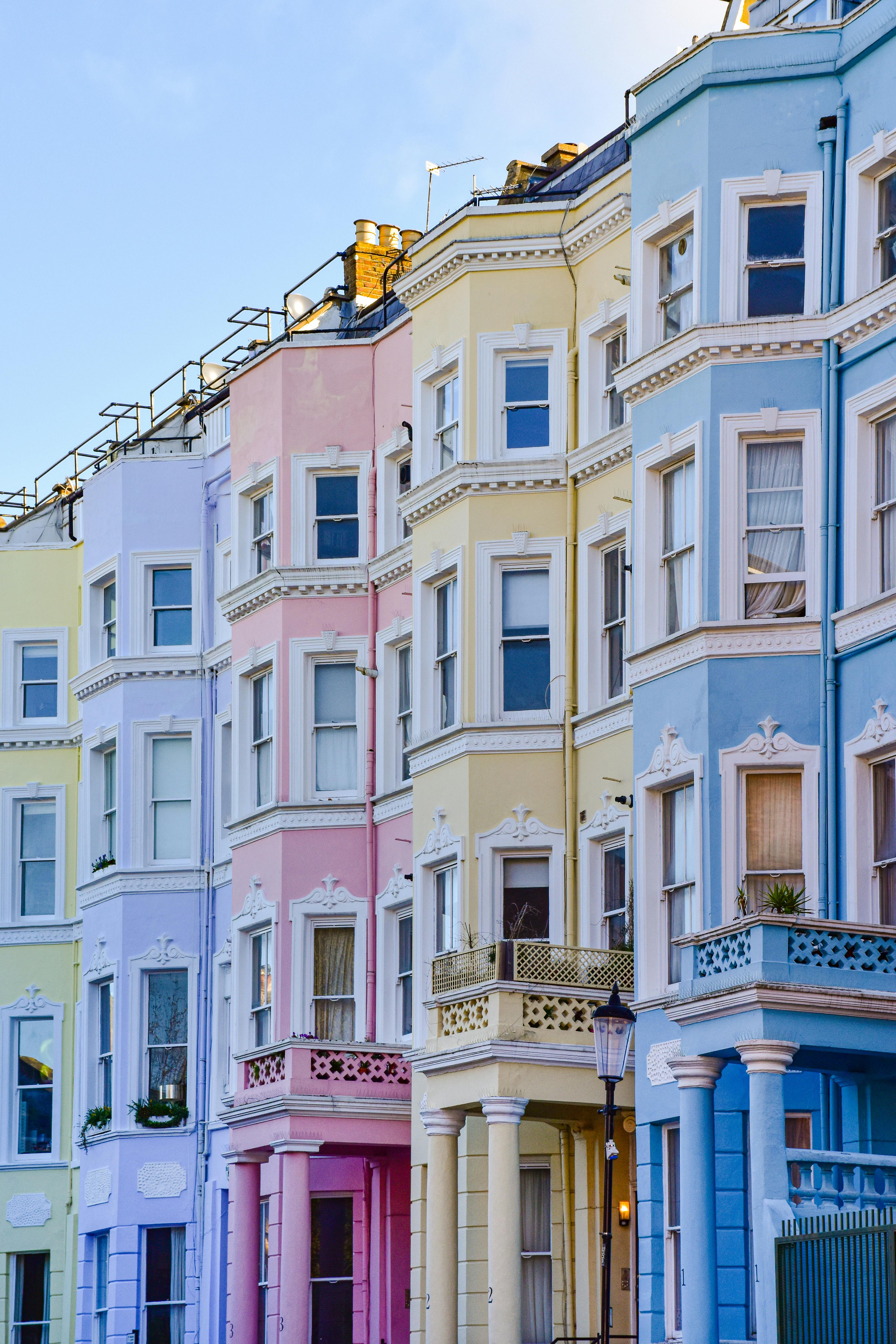
What happened in Notting Hill that didn't happen most places: the colours. The Caribbean community painted the terraces... brilliant, vivid, defiant. Practical too. The colour concealed the damage on ageing facades. The brighter the paint, the more renewed the house looked. Community statement and facade upgrade in the same brushstroke.
By the '80s and '90s the creatives and professionals were arriving. Property prices climbed. The community that painted the terraces was gradually priced out. The colours stayed. The people didn't.
The colours came first. The property values followed the colours. The community that painted them couldn't afford to stay. On WestSide the ghost letters are the equivalent... names cast into plasterwork, identity inscribed into the buildings themselves. The question isn't whether WestSide will become more valuable. It will. The question is who gets to benefit when it does.
I was in London from 2002 to 2010. Bethnal Green. £45 a week for a hallway conversion... single bed, the door just cleared the mattress if you were careful about it. My flatmates BJ and Dean had proper rooms at £80 each. They were laying concrete on the Gherkin by day and getting very little sleep after some bar fun by night. The building going up around the corner was becoming a London icon. Our building smelled of damp and other people's cooking. That's what Stage 2 feels like from the inside.
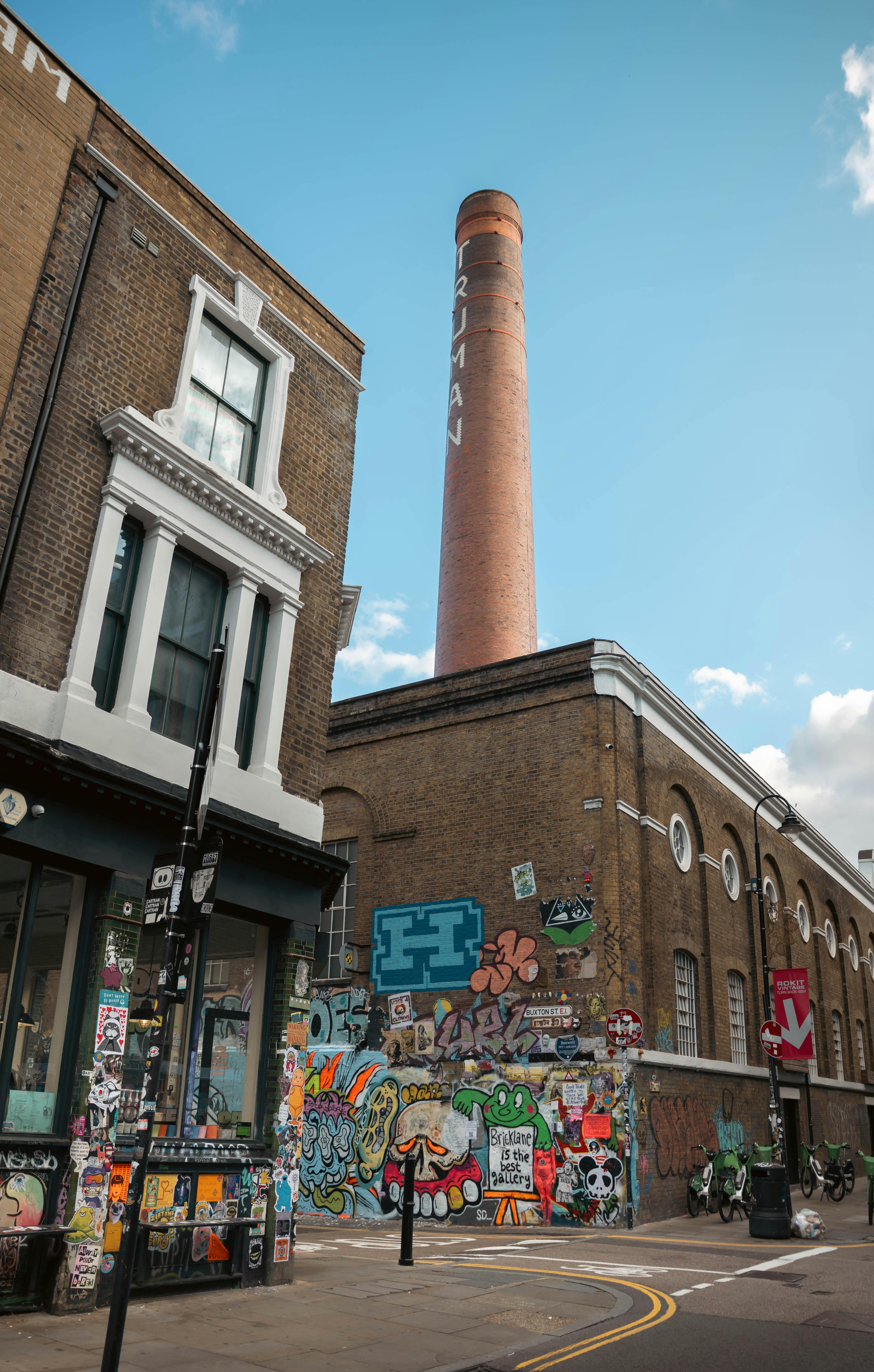
By 2002 Shoreditch was already mid-arc. The YBAs were mostly gone but the energy was still there... Banksy painting walls in Bethnal Green, the bars on Curtain Road packed every night, street art building an outdoor gallery that drew visitors from everywhere. Bethnal Green was one stop east and still genuinely cheap. Columbia Road flower market on Sundays. Art galleries in former factories. The specific electricity of a place that knows it's in the middle of something but hasn't named it yet.
By 2010 when I left, Old Street had been given a new name. Silicon Roundabout... thanks mostly to Inmarsat Satellites, one of the clients at the media agency I co-founded. Tech companies had moved into the same warehouses the artists had left. The transformation was no longer about art. It was about money. Shoreditch property prices up 142% in the decade to 2025. The street artists pushed to Dalston, then further east, always a few months ahead of the rising rents.
Art makes a neighbourhood interesting. Tech makes it expensive. One follows the other with roughly a decade between them. The artists who arrived in Shoreditch in 1992 couldn't have predicted Google would be their neighbour by 2010. But it was always going to happen. The question Bethnal Green residents asked too late: what do we own here? What is actually ours? WestSide already has its first tech company on the strip... TimeHub, a B2B software business, in before most people noticed. That's how it starts.
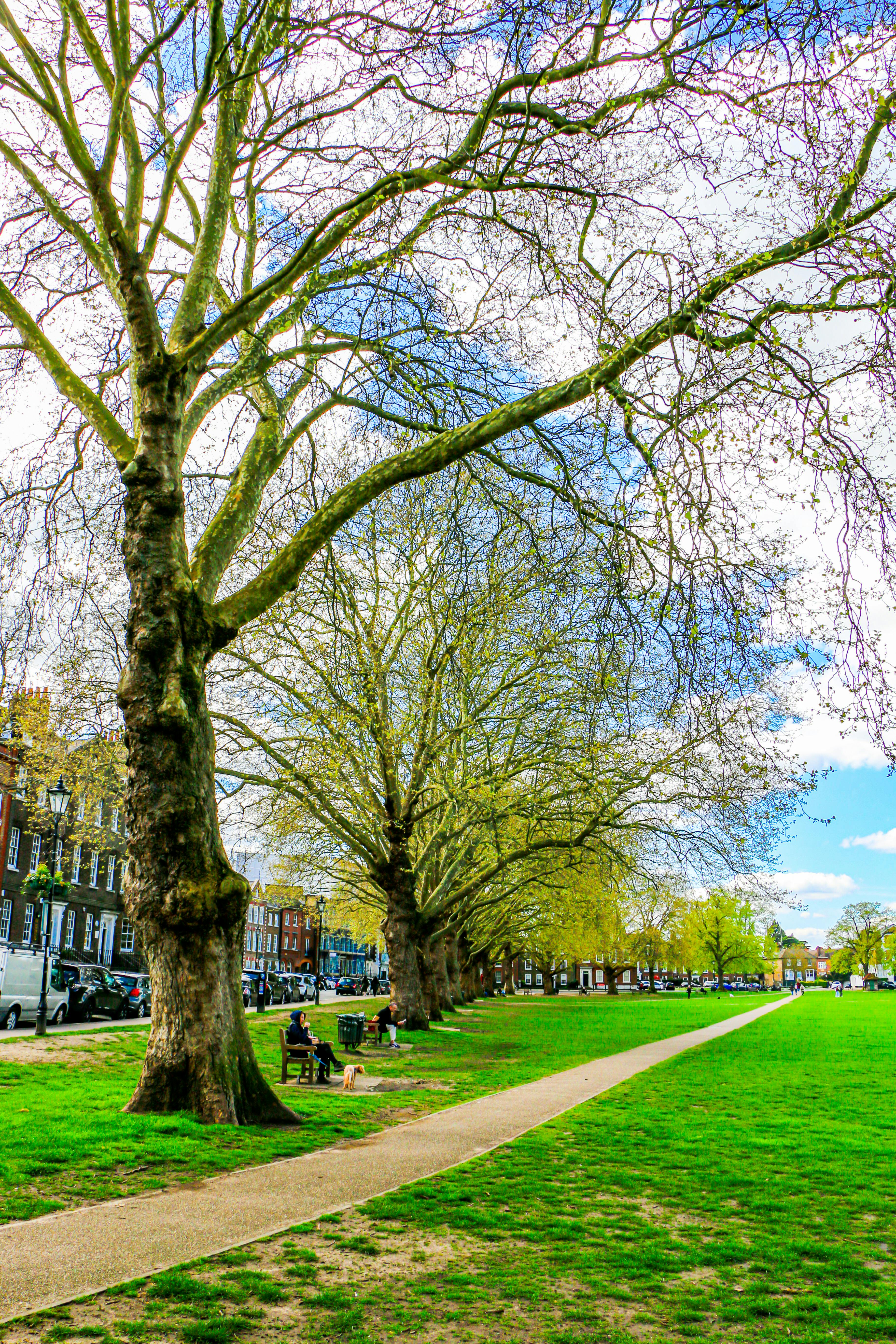
Clapham North is the more useful comparison for WestSide. While Clapham itself ran the full gentrification cycle through the '90s, Clapham North kept its edge. The Northern Line tube. The junctions with Brixton and Stockwell. Fringe theatre, smaller bars, a sense the area hadn't quite decided what it was yet. That not-quite-decided quality is where the interesting things happen.
WestSide has the same quality. Not fully polished. Not derelict. The practical sibling to Art Deco Napier. The working town across the bay. The place where the apples get packed and the freezing works used to run. That characterisation is both unfair and useful... unfair because it misses what's actually on the street, useful because it means the property hasn't priced in the culture that's already arriving.
A 1988 TVNZ documentary caught it at the pivot. Oldest identities still there. Gentrification already underway. The tension between what Ponsonby had been and what it was becoming, visible on a single street in a single afternoon. The crew knew they were filming something ending. They were right.
The cycle in Ponsonby is so familiar now it barely needs naming. Independent culture makes an area interesting. Property values follow the culture. Rising costs push out the people who made it interesting. Their replacements have more capital and less character. What remains is the architecture and the reputation. The buildings and the name. The community that built them is somewhere else.
"Ponsonby Road succeeded so thoroughly that it priced itself out of its own identity."
Ponsonby Road is about a kilometre. Walk it end to end in fifteen minutes. WestSide is four blocks. You can know everyone on it. The conversation about what happens next is easier to have here than it ever was in Ponsonby... and the curve hasn't steepened yet. That's the window.
The Line gallery started as a digital construct in 2022. Its physical Southern Node landed on Heretaunga Street West in May 2025. 792 artists. 82 countries. 899 of 1,000 positions on-chain. A global digital art network with its physical anchor in a regional New Zealand city most of the world has never heard of.
That's a Stage 2 event. The artists arriving. Not just because the rent was cheap... though it was... but because the founder is from here. Hastings turns out to be exactly the kind of place a global art archive lands if it's serious about permanence over prestige.
WAMJam Sessions. The ghost letters article. The facade campaign. The Geodetic Home sculpture. Music Works. Hustle Surf and Moto. The 300 West laneway. These are not isolated events. These are the early signs of a street developing a coherent identity.
Stage 3 is when the energy becomes visible outside the street. The press arrives. HBToday ran a feature on the Ryan Jennings exhibition at The Line ... Hawke's Bay artist captures New Zealand roads and rivers for exhibition in Hastings ... a regional artist, a global art network, a WestSide address. The street is getting a name beyond its own community. Westies articles landing with councillors, heritage buffs, business owners and painters. The ghost letters piece found people who had walked past those buildings for forty years without ever looking up. That's Stage 3. That's the energy becoming visible.
And now the Stage 4 and 5 signals are arriving. TimeHub... a B2B software company... has planted a flag on WestSide. That's the tech company moving in at the consumer layer, the same signal Bethnal Green residents were seeing from their £45-a-week rooms in 2002 without quite knowing what it meant. On the 200 block, brand new north-facing townhouses are under development... 200 West City Living, a bet by Mike Walker Management that west is best. HDC has committed $2M+ to a laneway development adding new connections and parking. Foot traffic is growing. The Mayor, Wendy Schollum, put it plainly:
There's a signal most gentrification analyses miss entirely. WestSide has it in abundance. The New Kiwi entrepreneur class... Chinese, Indian, Vietnamese, Japanese... is seeing the opportunities that people who grew up here are walking straight past. Some of the savviest traders in any city. They look at a decent-sized regional centre with real retail needs... TechWest mobile repair, WellWest massage and beauty, FunWest music and surf and vape... and they move. Coin Save. Exotic Nails. Phone Zone. FoneMate. SCM Fashion. Dax Cafe. Octave. Indian Tandoori. VietThai. Kami Sushi. These aren't accidental. They're the result of people doing the commercial calculation that locals either can't see or won't act on.
In Notting Hill it was the Caribbean traders who gave Portobello Road its character before the boutiques arrived. In Shoreditch it was the Bangladeshi community on Brick Lane who held the strip alive through the empty years. In both cases the creative class appropriated the energy those communities had built, the rents rose, and the original traders were pushed out. The difference on WestSide is that the New Kiwi businesses aren't filling a gap left by decline... they're trading alongside the arts and heritage layer, not underneath it. The authenticity is real. In the 1990s someone might have packaged something that looked vaguely exotic. Now we have the actual thing. That's a different quality of street.
"This is another step forward in realising the vision to have more people living and working in the inner city, generating economic activity for our retail and hospitality businesses, providing passive security for our city centre streets, and offering housing and lifestyle options that don't impact our valuable growing soils."
Read that again through the eight-stage lens. The Mayor is describing Stages 4, 5, and 6 arriving simultaneously. Residential development. Economic activity. Foot traffic. Housing options. Not aspirations. The same signals that showed up in Clapham in the '80s and Shoreditch in the late '90s... right before the curve steepened and the window started to close.
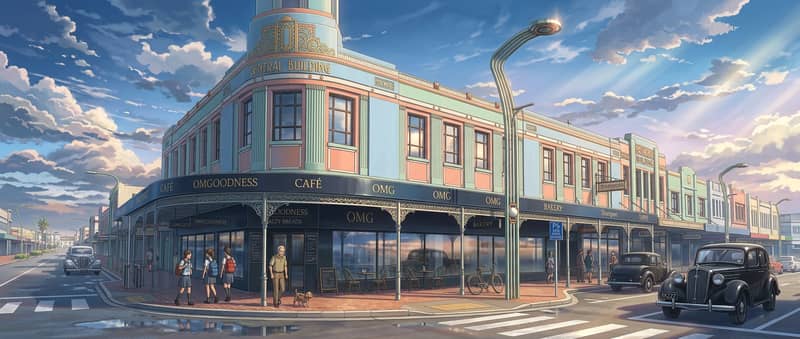
OMGoodness owner Scott was an EastSide trader until he did the commercial calculation properly. WestSide. The Central Building at the Market Street corner. Three times the floor area. Better rent. A higher density of businesses on either side. And a sublease model now offering space to WellWest hopefuls who want to trade out of the same building. That's not a retreat. That's a better decision made by someone who looked at the numbers without sentiment. Scott saw what a lot of EastSiders haven't yet: that WestSide is where the value is right now, before the curve steepens. The OMGoodness bakery is now an anchor tenant in one of the most prominent heritage corner buildings on the strip.
A word of caution for anyone considering a move: be wary of free rent incentives and inducement periods offered by landlords to get you through the door. They often precede a significant rent increase once you're settled and the fit-out is sunk. Market rent from day one, negotiated honestly, is nearly always the better deal. You know where you stand, and so does your landlord.
SoHo, Notting Hill, Shoreditch and Ponsonby all went through the cycle because nobody owned enough of the street to shape how it evolved. The economics drove everything. WestSide has something none of those places had at Stage 2 or 3: a documented heritage building register, a community association forming, a digital publication telling the street's story in real time, a global art network physically present, a tech company already on the strip, and now residential development and council infrastructure investment arriving simultaneously. The ingredients for a different outcome are here. They need to be organised before the window closes.
Here's what the pattern says to each of you.
"WestSide is between Stage 3 and Stage 4. The residential development is approved. The council money is committed. Every city in this article had a moment when the outcome could have been shaped differently. That moment is now."
The pattern doesn't have to end the same way every time. SoHo ended the way it did because nobody was watching while it was happening. The people who could see it most clearly were the artists... and they were too busy making work to get organised. By the time the economists and the estate agents arrived, the moment was gone.
There's also the harder truth. Hawke's Bay is losing hundreds of food processing jobs at the same time. McCain. Watties. The blue collar workers who held this regional economy together through the freezing works era, the orchard era, the processing plant era... squeezed again in 2026, same as the 1980s. The wine district was a brilliant reinvention of Hawke's Bay's identity. But it didn't save the workers who lost Whakatu. A WestSide revival that only works for property owners and creative professionals is the same failure with a different postcode. The association, the street, the investment... it needs to hold space for everyone already here. Not just those arriving.
WestSide has an organically grown group of 153 businesses that set up shop because of the opportunity, not the inducements. These entrepreneurs are as Lindy as it gets. Add in a global art gallery, a surf shop, a music store, new Kiwis from 22 nations around the world... and a laneway full of young bands every Thursday... you've got a slow transformation that remembers where it started.
It's all here. We've held the line. Now it's time to raise the vibe.